The Songs That Wait for You: Eddie Vedder, Time, and the Art of Growing Older
The Eddie Vedder Songs That Find You When Life Falls Apart
There are songs you listen to.
Then there are songs that somehow listen back.
The best Eddie Vedder songs don't feel written as much as discovered—pulled from the places most people spend their lives trying to avoid. Loss. Regret. Aging. Love. The quiet realization that time is undefeated.
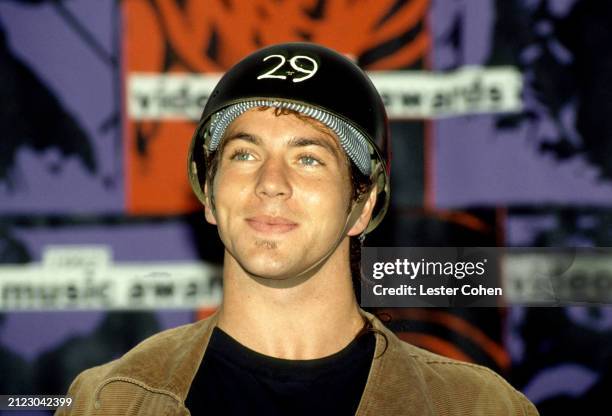
For more than three decades, Vedder, and his 1990’s signature style flannel and boots, has occupied a strange place in popular music. He emerged from the explosion of grunge as one of rock's most recognizable voices, yet many of his most powerful songs have little to do with rebellion, angst, or the loud mythology often associated with the Seattle scene.
Instead, his greatest work often feels deeply personal. Intimate. Almost uncomfortable in its honesty.
Take "Nothingman."
On the surface, it's a breakup song. But beneath that lies something much heavier: the terror of realizing you have become a stranger in your own life. The song isn't about losing someone. It's about recognizing that the loss happened long before either person admitted it.
The same emotional current runs through "Better Man," perhaps one of the most misunderstood songs in Pearl Jam's catalog. Crowds sing along to it like an anthem, but at its core sits a heartbreaking portrait of settling for familiarity over fulfillment. It's a song about the stories people tell themselves to survive another day.
Then there is "Wishlist."
Few songs capture longing with such simplicity. There is no grand drama. No elaborate metaphor. Just a series of impossible wishes spoken by someone standing on the outside of something beautiful, hoping to somehow belong to it. The song feels less like a performance and more like a private conversation that accidentally found its way onto a record.
And then there is "Man of the Hour."
If there is a song that reveals the true heart of Eddie Vedder as a writer, it may be this one.
Written for the film Big Fish, the song serves as both tribute and farewell. It recognizes something many people don't understand until much later in life: heroes are rarely perfect. The people who shape us are flawed, complicated, frustrating, and human. Yet somehow they remain giants in our memories.
Unlike many songs about grief, "Man of the Hour" avoids sentimentality. It understands that love and loss often occupy the same space. The song doesn't attempt to explain death. It simply acknowledges the empty chair at the table and the silence left behind.
That honesty has always been Vedder's greatest strength.
While many artists spend careers trying to sound profound, Vedder often achieves something far more difficult. He sounds sincere.
Perhaps that's why these songs continue finding new listeners decades later.
People change. They age. They lose parents. They lose relationships. They bury friends. They wake up one morning and discover life is no longer the thing they imagined when they were twenty years old.
And then a song they heard a hundred times suddenly means something entirely different.
That may be the real legacy of Eddie Vedder.
Not the fame.
Not the records.
Not the sold-out arenas.
The ability to write songs that patiently wait for listeners to grow into them.
Years later, after the noise fades and the trends disappear, those songs remain.
Like old friends.
Waiting quietly in the dark.
Comments
Post a Comment